


Pigeon Decoying: Setup, Patterns & Field Tips for Better Shooting
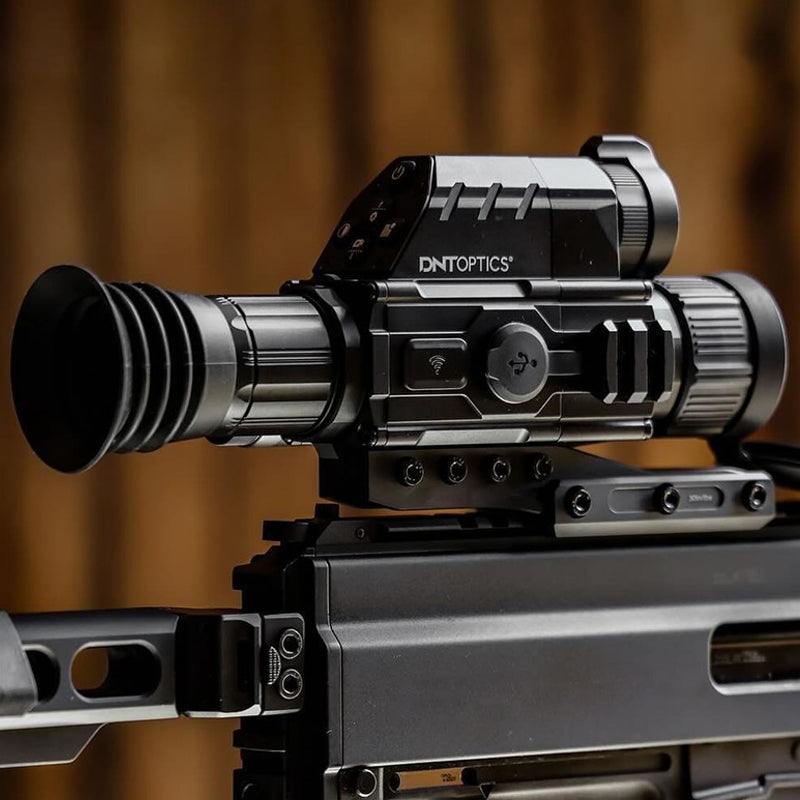
Originally published in Shooting Times & Country Magazine, this article by Danny Brookfield follows a real-world pigeon decoying session, with the ZULUS 4K Day & Night Vision Scope used in the field.
There's something about pigeon decoying over a rape field at this time of year that never loses its appeal. Late March, when the weather is just starting to improve and the days are lengthening, is a real turning point. The fields begin to come alive again and with that comes renewed opportunity. The rape shoots are only just coming through – bright green, tender and incredibly attractive to woodpigeons – and that fresh growth draws birds in. When you find an active field at this stage, you know you're in for a good day – if you get things right.
On this particular outing, all the signs were there from the moment I arrived. The rape field had clearly been hit hard: freshly nipped shoots, flattened patches where birds had been feeding and a steady trickle of pigeons moving overhead. It wasn't only the odd bird passing through either; they were using the area properly.

Danny using the ZULUS 4K day & night vision scope
Their flightlines were consistent and you could see exactly how they were approaching the field. This really is the best time of year for pigeon decoying. The crops are at their most vulnerable, the pigeons are feeding hard to maintain condition and, if you position yourself well, they'll come with real commitment.
However, by now the rape had grown just that bit too high to shoot over effectively. Once it reaches that stage, birds can drop in and completely disappear from view, making both safe and effective shooting with an air rifle difficult. You lose sight of them too easily and opportunities can be missed. So I made the decision to set up in the grass field running alongside the rape. It gave me a clear view of incoming birds while still allowing me to intercept them as they came in to feed. It's a simple adjustment, but one that makes a big difference when the crop starts to get away from you.

Danny's setup featuring the ZULUS 4K day & night vision scope
As always, though, the first priority wasn't the shooting – it was the setup. Hide location is critical in pigeon decoying. You can have the best rifle, the perfect pattern and plenty of birds, but if you're in the wrong place, the pigeons won't play ball. Today, the birds were following a natural line along the hedge between the grass and rape fields before dropping in, so it made perfect sense to position my hide there. It meant I was in the right place before the birds had a chance to spot anything out of place.
Rather than relying on a pop-up hide, I took the time to build a natural one using the hedge itself. I cut a few branches and pushed them into the ground to form a loose frame, then draped hide netting over the front and sides to give me a base. From there, I dressed it properly using fresh vegetation from the hedge – bramble, twigs and anything else that matched the immediate surroundings. The aim is always to make the hide look as though it belongs there.
It takes a bit more effort than putting up a manufactured hide, but the difference is noticeable. By using natural materials and breaking up your outline, you blend into the hedge line rather than standing out against it. I left a small gap at the front as a shooting window – enough to give a clear view without exposing too much movement. That is important; pigeons will pick up on the slightest unnatural shape or flicker of movement, and once they flare, the chance is gone.

Danny leaves a gap at the front of the hide as a shooting window, with a clear view of the field
Pigeon Decoy Setup: Reducing Glare and Improving Realism
With the hide in place and the wind direction confirmed, I turned my attention to the decoy pattern. I set out a spread of A1 flocked decoys in a classic horseshoe formation in the grass field. Flocked decoys really come into their own at this time of year, especially when the light can be changeable. They cut down on glare and present a far more natural appearance from above, helping to convince birds that it's safe to drop in.
The horseshoe pattern creates the impression of a relaxed group of feeding birds while leaving a clear landing zone in the middle. I positioned the open end of the pattern into the wind, encouraging pigeons to approach head on and drop straight into that pocket in front of the hide. That's exactly where you want them – slowing down, committed and focused – before they reach the standing rape.
Spacing is just as important as the overall shape. I kept things realistic – not too tight and not too spread out – aiming to mimic how pigeons naturally feed when relaxed. It doesn't have to be perfect, but it does need to look believable. A good pattern will draw birds in but, even then, you need to pay attention to how they respond.

Flocked decoys are ideal for changing light conditions as they look so natural from above
A couple of birds showed interest but didn't fully commit. They came in well, circled the pattern, then drifted off to one side instead of dropping into the centre. That's always a sign that something isn't quite right. It's tempting to sit tight and hope the next ones behave differently but, more often than not, they won't unless you make a change.
So I got up and made a small adjustment, shifting a few decoys to better match the line the birds were taking on their approach. It wasn't anything drastic – merely a subtle tweak – but it made a difference almost immediately. The next birds showed far more confidence and lined up much better with the landing zone.
That willingness to adapt is one of the most important aspects of decoying. No two days are ever exactly the same and the birds will tell you very quickly if something isn't working. Watching how they approach, how they react to the pattern and making small changes accordingly can turn a quiet day into a productive one.
Once everything settled into place, the shooting started to come together nicely. Over the course of the session, I accounted for five birds. It wasn't a huge bag by any means, but it was a satisfying one, with each bird taken cleanly and deliberately. The shots ranged from 25 to 38 yards, which is exactly where this setup performs at its best. At those distances, the FX slugs really shine. Driven at 40ft/lb, they carry plenty of energy and deliver a decisive impact. Every bird that was hit was stopped cleanly – no runners and no need for any follow-up shots.

Flocked decoys present a far more natural appearance from above
Of course, a successful day like this isn't only about the equipment. Fieldcraft plays a huge part. Staying still, keeping movement to an absolute minimum, and having the patience to wait for the right opportunity are all essential. There were quieter spells throughout the session, but that's part and parcel of pigeon shooting. It's about making the most of the chances when they come, not expecting constant action.
Another part of what makes this type of shooting so enjoyable is that it's never static. Conditions change, the pigeons behave differently from one day to the next, and you're constantly learning and adapting. From adjusting your pattern to refining your hide placement, there's always something to think about and improve. For me, though, one of the most important parts of any day in the field comes after the shooting is done. I don't let anything go to waste. Every pigeon I shoot is used and I genuinely enjoy the process of preparing and cooking them.

Danny using the ZULUS 4K day & night vision scope
Effort and Reward in Pigeon Shooting
Pigeon meat is excellent – rich, lean and full of flavour. Whether it's simply pan-fried with butter and garlic or turned into something more substantial like a pie or slow-cooked dish, it's always worth the effort. There's a real sense of satisfaction in bringing home food that you've sourced yourself, especially when you know it's been taken cleanly and responsibly.
Looking back, this was one of those classic late-March days that remind you exactly why pigeon decoying over rape fields is so popular. The fresh shoots just coming through, the improving weather and the steady draw of birds all combined to create ideal conditions. Five birds taken cleanly – each one dropping on the spot – made for a thoroughly enjoyable and rewarding session.

ZULUS 4K day & night vision scope used during the session
Danny's Kit Bag
● Daystate Red Wolf .22FAC
● FX Hybrid Slugs
● DNT ZULUS 4K day/night scope
● Nitehawk hide netting
● A1 flocked full-bodied decoys